Healthy Habits To Protect Your Eyes And Prevent Vision Loss

Your eyes work for you every single day. From reading and driving to using your phone and recognizing loved ones, clear vision is a big part of daily life.

The good news is that many eye problems can be prevented. Simple lifestyle habits play a powerful role in protecting your eyesight for the long term.

Here are practical and easy steps you can follow to keep your eyes healthy.

Eat Fruits, Vegetables, And Fish

A healthy diet supports healthy eyes.

Include plenty of:

  • Green leafy vegetables like spinach and fenugreek
  • Colorful fruits like oranges, papaya, and berries
  • Carrots and other vitamin A-rich food
  • Fish like salmon, tuna, and sardines

These foods contain vitamins, antioxidants, and omega-3 fatty acids that protect the retina and reduce the risk of age-related vision problems.

A balanced diet nourishes your eyes from within.

Control Diabetes And Blood Pressure

High blood sugar and high blood pressure can damage the small blood vessels in the eyes.

Uncontrolled diabetes can lead to diabetic retinopathy, which may cause vision loss if not treated early.

Keeping your blood sugar and blood pressure under control helps:

  • Protect the retina
  • Prevent bleeding inside the eye
  • Reduce the risk of blindness

Regular medical check-ups and proper medication are important for overall health and eye health.

Quit Smoking

Smoking is harmful not just to your lungs and heart, but also to your eyes.

It increases the risk of:

  • Age-related macular degeneration
  • Cataract
  • Damage to the optic nerve

Quitting smoking improves blood circulation and reduces the risk of serious eye diseases.

If you smoke, stopping now can protect your vision in the future.

Limit Screen Time

Spending long hours on phones, laptops, and televisions can strain your eyes.

Common symptoms include:

  • Dryness
  • Headache
  • Blurred vision
  • Eye fatigue

Follow the 20-20-20 rule:
Every 20 minutes, look at something 20 feet away for at least 20 seconds.

Also:

  • Blink frequently
  • Keep proper distance from screens
  • Avoid using screens in very dim light

Giving your eyes regular breaks reduces strain.

Wear Sunglasses Outdoors

Sunlight contains harmful ultraviolet (UV) rays that can damage your eyes over time.

Wearing good-quality sunglasses helps:

  • Protect the retina
  • Reduce glare
  • Prevent long-term damage

Choose sunglasses that block 100 percent UV rays. Wearing a wide-brimmed hat outdoors also provides extra protection.

Exercise Regularly

Regular physical activity improves blood circulation throughout the body, including the eyes.

Exercise helps:

  • Control diabetes
  • Maintain healthy blood pressure
  • Reduce the risk of eye diseases

Even simple activities like walking, yoga, or light workouts can make a difference.

  • Healthy body, healthy eyes.
  • Get Routine Eye Check-Ups

Many serious eye problems develop slowly and without pain. Your eyes work for you every single day. From reading and driving to using your phone and recognizing loved ones, clear vision is a big part of daily life.

The good news is that many eye problems can be prevented. Simple lifestyle habits play a powerful role in protecting your eyesight for the long term.

Here are practical and easy steps you can follow to keep your eyes healthy.

Eat Fruits, Vegetables, And Fish

A healthy diet supports healthy eyes.

Include plenty of:

  • Green leafy vegetables like spinach and fenugreek
  • Colorful fruits like oranges, papaya, and berries
  • Carrots and other vitamin A-rich food
  • Fish like salmon, tuna, and sardines

These foods contain vitamins, antioxidants, and omega-3 fatty acids that protect the retina and reduce the risk of age-related vision problems.

A balanced diet nourishes your eyes from within.

Control Diabetes And Blood Pressure

High blood sugar and high blood pressure can damage the small blood vessels in the eyes.

Uncontrolled diabetes can lead to diabetic retinopathy, which may cause vision loss if not treated early.

Keeping your blood sugar and blood pressure under control helps:

  • Protect the retina
  • Prevent bleeding inside the eye
  • Reduce the risk of blindness

Regular medical check-ups and proper medication are important for overall health and eye health.

Quit Smoking

Smoking is harmful not just to your lungs and heart, but also to your eyes.

It increases the risk of:

  • Age-related macular degeneration
  • Cataract
  • Damage to the optic nerve

Quitting smoking improves blood circulation and reduces the risk of serious eye diseases.

If you smoke, stopping now can protect your vision in the future.

Limit Screen Time

Spending long hours on phones, laptops, and televisions can strain your eyes.

Common symptoms include:

  • Dryness
  • Headache
  • Blurred vision
  • Eye fatigue

Follow the 20-20-20 rule:
Every 20 minutes, look at something 20 feet away for at least 20 seconds.

Also:

  • Blink frequently
  • Keep proper distance from screens
  • Avoid using screens in very dim light

Giving your eyes regular breaks reduces strain.

Wear Sunglasses Outdoors

Sunlight contains harmful ultraviolet (UV) rays that can damage your eyes over time.

Wearing good-quality sunglasses helps:

  • Protect the retina
  • Reduce glare
  • Prevent long-term damage

Choose sunglasses that block 100 percent UV rays. Wearing a wide-brimmed hat outdoors also provides extra protection.

Exercise Regularly

Regular physical activity improves blood circulation throughout the body, including the eyes.

Exercise helps:

  • Control diabetes
  • Maintain healthy blood pressure
  • Reduce the risk of eye diseases

Even simple activities like walking, yoga, or light workouts can make a difference.

Healthy body, healthy eyes.

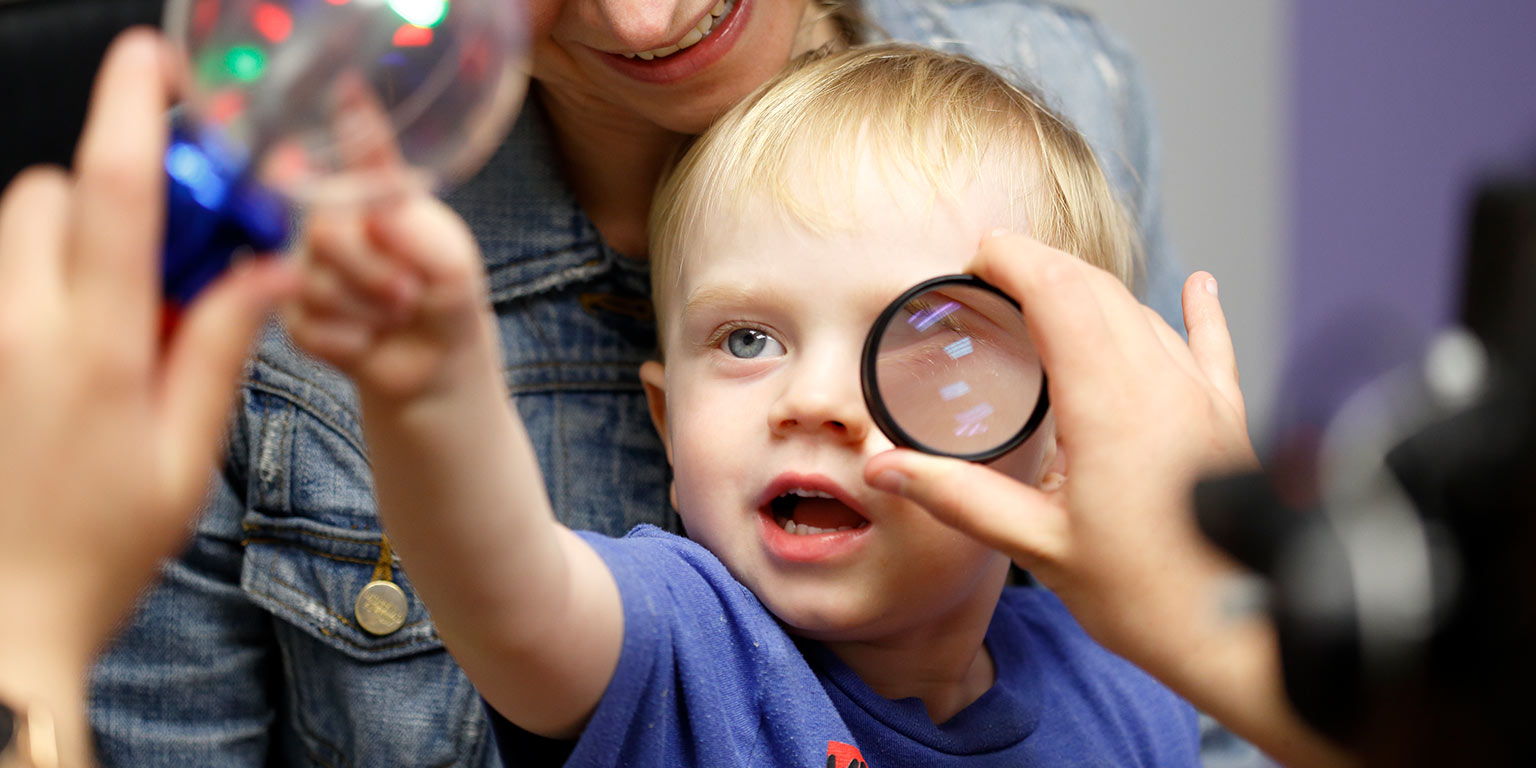
Get Routine Eye Check-Ups

Many serious eye problems develop slowly and without pain.

Regular eye exams help detect:

  • Glaucoma
  • Diabetic retinopathy
  • Macular degeneration
  • Retinal disorders

Early detection means early treatment, which prevents permanent vision loss.

Adults should get routine eye check-ups as advised by their eye specialist. People with diabetes, high blood pressure, or a family history of eye disease may need more frequent visits.

  • Glaucoma
  • Diabetic retinopathy
  • Macular degeneration
  • Retinal disorders

Early detection means early treatment, which prevents permanent vision loss.

Adults should get routine eye check-ups as advised by their eye specialist. People with diabetes, high blood pressure, or a family history of eye disease may need more frequent visits.
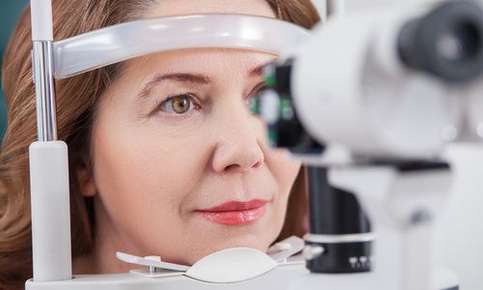
 

Children’s Retinal Health: Why Early Care Matters

Children’s eye health plays a major role in their learning, development, and overall quality of life. Healthy vision helps children read, write, play, and explore the world confidently.
What many parents do not realize is that some serious retinal problems can begin in infancy or early childhood. The good news is that early detection and timely treatment can prevent long-term vision loss.

Early care today protects your child’s vision for life.

Why Retinal Health Is Important In Children

The retina is the light-sensitive layer at the back of the eye. It sends visual signals to the brain, allowing us to see clearly.

If the retina does not develop properly or gets damaged early in life, it can affect a child’s vision permanently.

Some retinal conditions may not show obvious symptoms in the beginning. That is why regular screening and monitoring are essential.

Rop Screening For Premature Babies

One of the most important areas in children’s retinal care is ROP screening.

ROP stands for Retinopathy of Prematurity. It affects babies who are born prematurely or with low birth weight.

In premature babies, the retinal blood vessels may not develop fully. This can lead to abnormal vessel growth, which may cause:

  • Retinal damage
  • Scarring
  • Retinal detachment
  • Permanent vision loss

Timely ROP screening is critical.

All premature babies should undergo retina examination as advised by the pediatrician or eye specialist. Early detection allows treatment with laser or injections, which can prevent blindness in many cases.

Parents of premature babies must not miss scheduled eye check-ups.

Early Detection Of Retinal Disorders

Some children may develop retinal disorders due to:

  • Genetic conditions
  • Infections
  • Trauma
  • Systemic diseases

Symptoms in children may include:

  • Poor eye contact
  • White reflex in the eye
  • Frequent eye rubbing
  • Squinting
  • Difficulty seeing in dim light
  • Complaints of blurred vision

If you notice anything unusual about your child’s eyes or vision, consult an eye specialist immediately.

Early diagnosis makes treatment more effective and improves long-term outcomes.

Regular Eye Exams For Children

Many parents assume that eye check-ups are only needed if a child complains of vision problems. This is not true.

Children may not realize they have blurred vision because they think it is normal.

Regular eye exams help:

  • Detect refractive errors
  • Identify retinal abnormalities
  • Monitor eye development
  • Prevent learning difficulties related to poor vision

Routine eye check-ups are recommended:

  • In infancy (especially for premature babies)
  • Before starting school
  • During school years as advised

Regular monitoring ensures healthy visual development.

Monitoring Vision Development

Vision develops rapidly in the first few years of life. Any delay or abnormality should be evaluated early.

Parents should watch for:

  • Delayed visual response
  • Difficulty tracking moving objects
  • One eye is turning inward or outward
  • Head tilting while looking at objects

Timely medical attention can prevent complications later in life.

Proper vision supports:

  • Academic performance
  • Social development
  • Confidence
  • Overall growth

Do’s and Don’ts After Retina Surgery: Complete Recovery Guide for Patients

Retina surgery is a delicate eye procedure performed to treat serious conditions like retinal detachment, macular hole, diabetic retinopathy, epiretinal membrane, or vitreous hemorrhage.

What happens after surgery is just as important as the procedure itself. Proper care helps prevent complications and protects your vision.

If you or your family member has recently undergone retina surgery, this simple guide will help you understand what to do and what to avoid during recovery.

Why Post-Retina Surgery Care Is Important

The retina is a thin, light-sensitive layer at the back of the eye. After surgery, it needs protection and time to heal.

Following proper postoperative instructions helps:

  • Reduce risk of infection
  • Control swelling and inflammation
  • Maintain proper retinal position
  • Improve the final visual outcome
  • Prevent repeat retinal detachment
  • Even small mistakes, like rubbing the eye or skipping medicines, can affect recovery.

Do’s After Retina Surgery

1. Take Medicines Exactly as Prescribed

After retina surgery, your doctor will prescribe antibiotic and anti-inflammatory eye drops and sometimes oral medicines.

Important tips:

  • Use drops at the correct time
  • Wash hands before applying
  • Do not stop medication early
  • Do not self-medicate
  • Proper use of medicines reduces infection and promotes faster healing.

2. Use Protective Glasses

  • Your eyes will be sensitive to dust, pollution, and sunlight.
  • Wearing protective glasses:
  • Prevents dust entry
  • Reduces irritation
  • Protects from accidental injury
  • Minimizes light sensitivity
  • This is especially important when going outdoors.

3. Maintain Correct Head Position (If Advised)

  • In many retinal detachment surgeries, a gas bubble is placed inside the eye to support healing.
  • If your doctor has advised specific head positioning:
  • Follow it strictly
  • Maintain the position while sitting and sleeping
  • Do not ignore this instruction
  • Proper positioning ensures the retina stays attached and heals correctly

    4. Attend All Follow-Up Appointments

  • Regular follow-up visits are essential even if you feel fine.
  • During check-ups, your doctor will:
  • Check eye pressure
  • Monitor retinal healing
  • Detect early complications
  • Timely monitoring prevents long-term damage.

5. Report Any Problems Immediately

  • Contact your eye specialist immediately if you notice:
  • Sudden eye pain
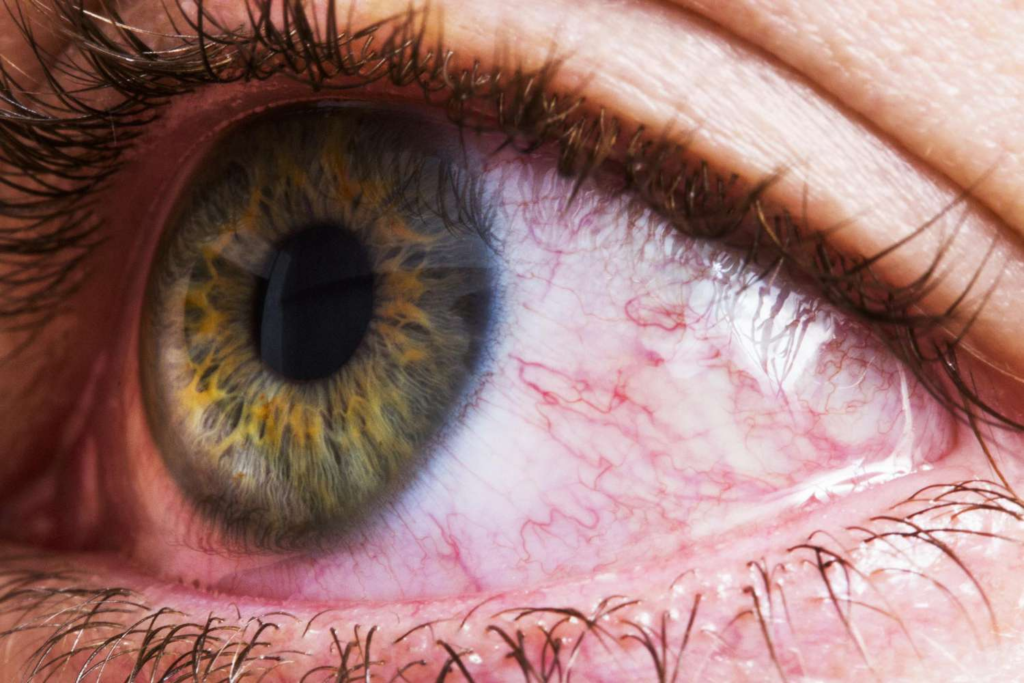
  • Increased redness
  • Sudden drop in vision
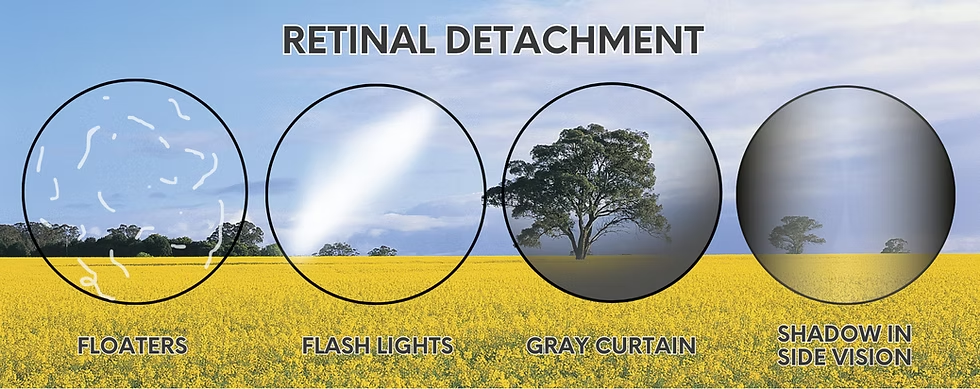
  • Flashes of light
  • New floaters
  • Dark curtain-like shadow
  • Early treatment can save vision.

    ❌ Don’ts After Retina Surgery

1. Do Not Rub or Press the Eye

  • Rubbing can:
  • Increase eye pressure
  • Disrupt healing
  • Cause internal damage
  • Increase infection risk
  • If there is irritation, consult your doctor instead.

    2. Do Not Skip Eye Drops

  • Missing doses can:
  • Increase infection risk
  • Delay healing
  • Lead to complications
  • Set reminders if necessary.
  • Consistency is critical for recovery.

    3. Do Not Ignore Vision Changes

  • Mild blurring is common after surgery. However, sudden changes are not normal.
  • Seek immediate medical attention if vision worsens or pain increases.
  • Ignoring symptoms can lead to permanent vision damage.

    How Long Does Retina Surgery Recovery Take?
  • Recovery time depends on:
  • Type of retinal condition
  • Type of surgery performed
  • Presence of a gas bubble
  • Overall health of the patient
  • Vision may take weeks to months to stabilize.
  • Patience and strict follow-up are important.

Warning signs of retina problems you should never ignore

Your eyes rarely give dramatic warnings. Most serious retina problems start suddenly and without pain. Many people ignore early symptoms, thinking they will settle on their own.

Here’s the truth: when it comes to the retina, delay can cost vision.

If you notice any of the signs below, you should consult an eye specialist immediately.

1. Sudden Loss of Vision

If your vision suddenly becomes blurry, dark, or completely lost in one eye, it is an emergency.

This may happen due to:

  • Retinal detachment
  • Severe diabetic eye disease
  • Bleeding inside the eye
  • Blockage of retinal blood vessels

Sudden vision loss is never normal. Immediate treatment can sometimes save eyesight.

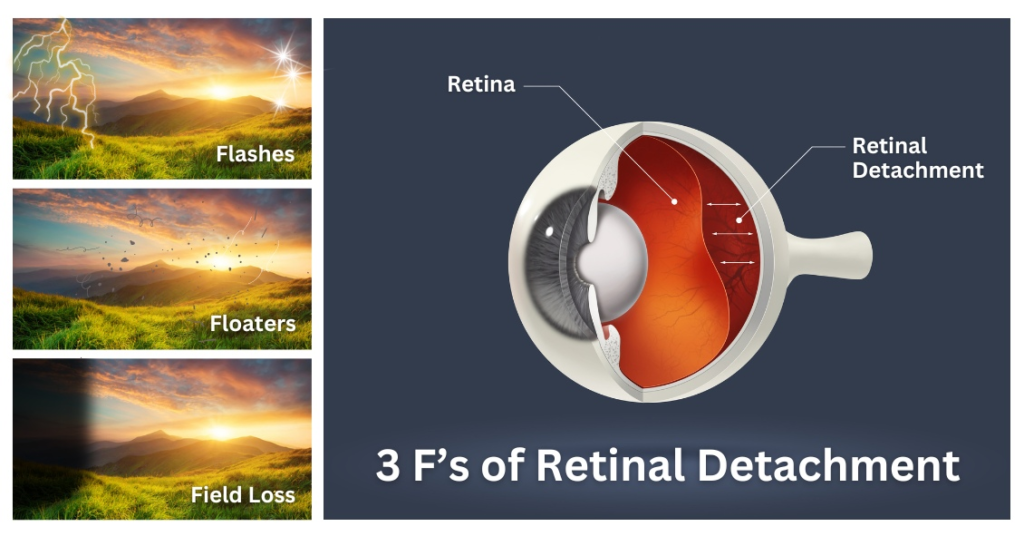
2. Flashes of Light

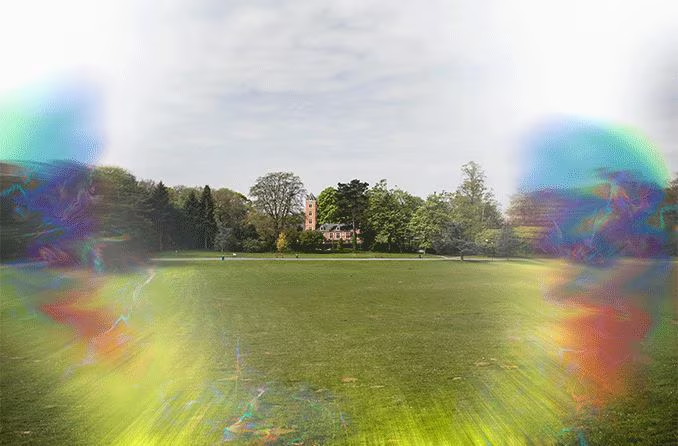
Seeing brief flashes, like lightning streaks in your side vision, can be a warning sign.

These flashes may mean the retina is being pulled or torn. Sometimes it can lead to retinal detachment.

If flashes are new or increasing, do not ignore them. Get your eyes checked as soon as possible.

Seeing brief flashes, like lightning streaks in your side vision, can be a warning sign.

These flashes may mean the retina is being pulled or torn. Sometimes it can lead to retinal detachment.

If flashes are new or increasing, do not ignore them. Get your eyes checked as soon as possible.

3. Increase in Floaters (Black Spots)

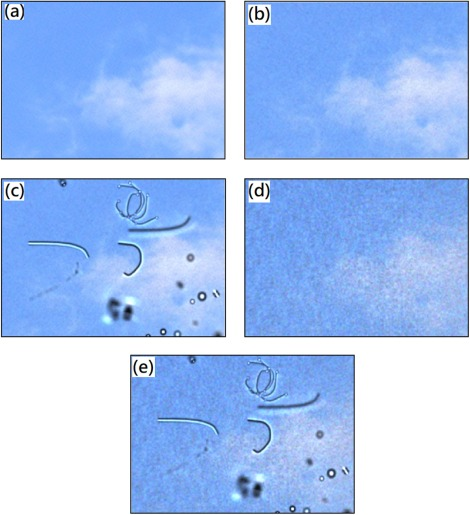
Floaters look like small black dots, cobwebs, or threads moving in your vision.

A few floaters can be normal with age. But a sudden shower of floaters is not.

It may indicate:

  • Retinal tear
  • Retinal detachment
  • Bleeding inside the eye

If floaters appear suddenly or increase quickly, seek medical attention.

4. A Dark Curtain or Shadow in Vision

If you feel like a shadow or curtain is coming from the side or bottom of your vision, this is a serious sign.

It often suggests retinal detachment.

This condition needs urgent surgery. Early treatment greatly improves the chance of saving vision.

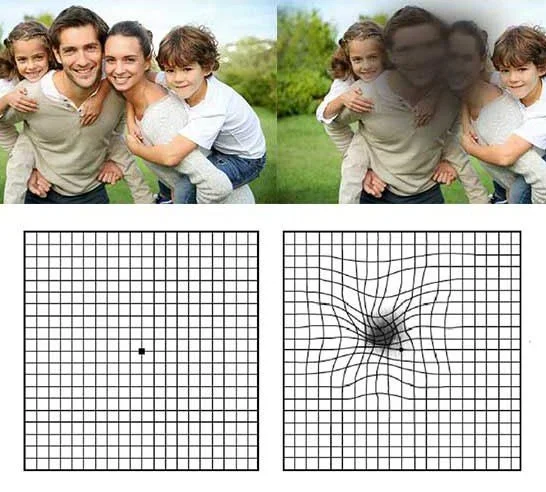
5. Blurred or Distorted Vision

If straight lines start looking wavy or you notice a blurred spot in the center of your vision, the macula may be affected.

This can happen in:

  • Macular degeneration
  • Macular hole
  • Diabetic macular swelling

These conditions may not cause pain, but they can slowly damage central vision. Early treatment gives better results.

6. Eye Pain or Redness with Vision Changes

Most retina diseases are painless. However, if eye pain or redness is present along with vision changes, it still needs urgent evaluation.

It could be:

  • Infection
  • Severe inflammation
  • Increased eye pressure
  • Complications related to retinal disease

Pain combined with vision loss should never be ignored.

Why Early Action Matters

Retina problems often:

  • Develop suddenly
  • Do not cause early discomfort
  • Can lead to permanent vision loss

The sooner the condition is diagnosed, the better the chances of saving eyesight.

Who Should Be Extra Careful?

You should be especially alert if:

  • You have diabetes
  • You are above 50 years of age
  • You have high blood pressure
  • You have had previous eye surgery
  • There is a family history of retinal disease

Regular eye check-ups are important, even if you feel your vision is fine.

If you notice:

  • Sudden vision changes
  • Flashes
  • New floaters
  • Shadows
  • Distortion

Do not wait to see if it improves.

Consult an eye specialist immediately. Early treatment can protect your sight and prevent permanent damage.


Understanding Common Retina Diseases

The retina is a thin, light-sensitive layer at the back of your eye. It works like a camera film. When light enters your eye, the retina captures it and sends signals to your brain so you can see clearly.

If the retina gets damaged, your vision can become blurry, distorted, or even lost. In many cases, early diagnosis and treatment can protect your eyesight. That’s why understanding common retina diseases is very important.

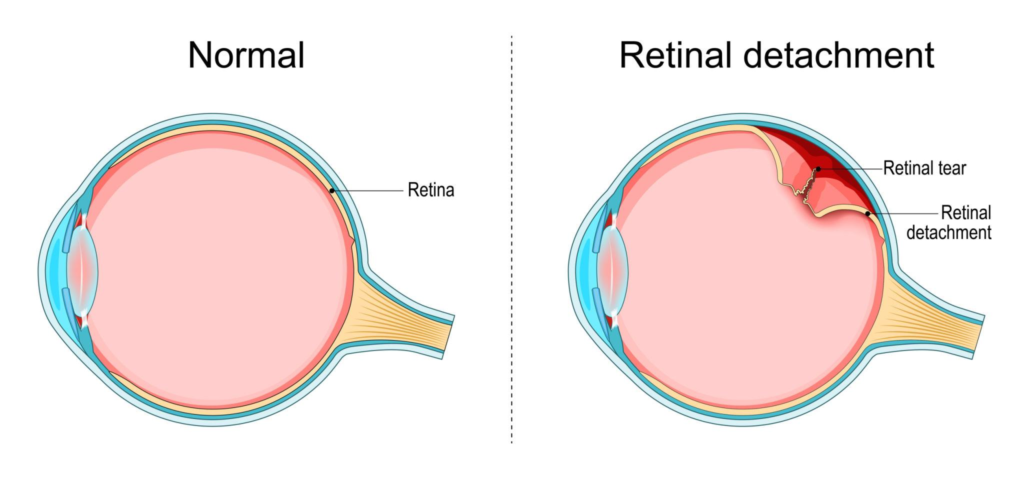
1. Retinal Detachment

What happens?
The retina pulls away from the back wall of the eye. When this happens, it cannot work properly.

Warning signs:

  • Sudden flashes of light
  • Sudden increase in floaters (small black spots moving in your vision)
  • A dark shadow or curtain covering part of your sight
  • Sudden blurred vision

What should you do?
This is an emergency. Do not wait. Immediate treatment, usually surgery, can help save your vision if done early.

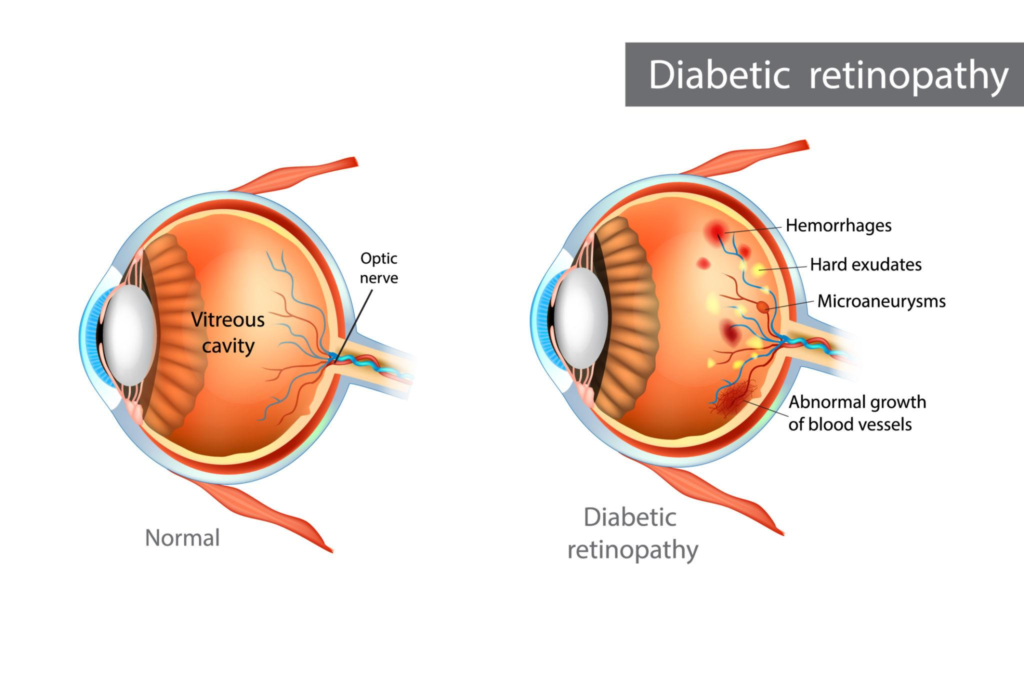
2. Diabetic Retinopathy

What happens?
In people with diabetes, high blood sugar can damage the tiny blood vessels in the retina.

Who is at risk?
Anyone with diabetes, especially if blood sugar levels are not well controlled.

Symptoms:

  • Blurry vision
  • Dark spots
  • Difficulty seeing at night
  • No symptoms in early stages

Here’s what many people don’t realize: you can have serious retinal damage and still see clearly at first.

Why check-ups matter:
If you have diabetes, a yearly retina examination is very important, even if your vision feels normal.

Treatment options may include:

  • Eye injections
  • Laser treatment
  • Surgery in advanced cases

Early treatment can prevent vision loss.

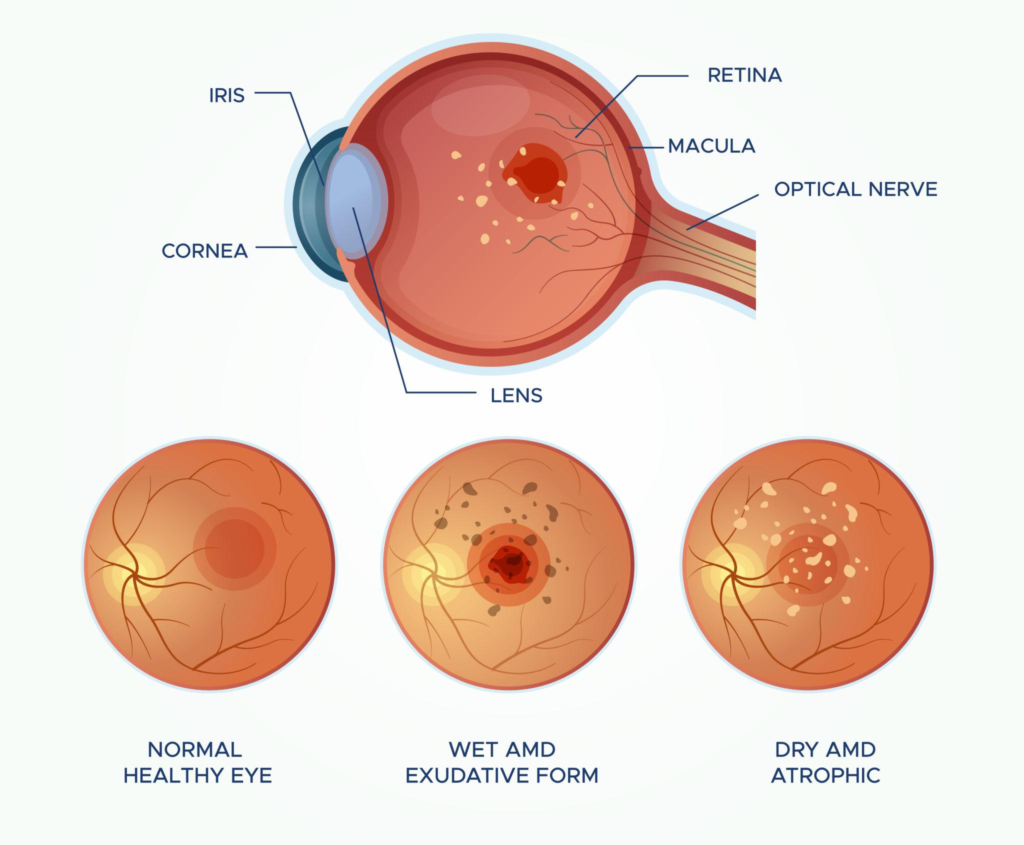
3. Macular Degeneration

This condition affects the central part of the retina called the macula. It is more common in people above 50 years of age.

Symptoms:

  • Straight lines appear wavy
  • Difficulty reading
  • A dark or blurred spot in the center of vision

There are two types:

  • Dry type– usually slower and more common
  • Wet type– more serious and needs quick treatment

The wet type is often treated with special eye injections to protect central vision.

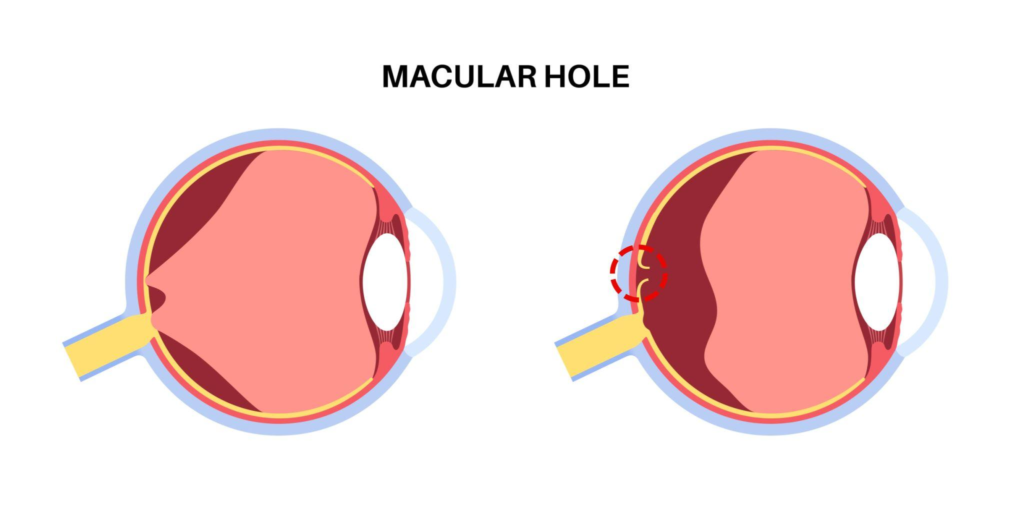
4. Macular Hole and Macular Pucker

Macular Hole:
A small opening forms in the center of the retina.

Macular Pucker:
A thin membrane forms on the retina, causing it to wrinkle.

Symptoms:

  • Blurred central vision
  • Distorted or wavy vision
  • Trouble reading

Mild cases may only need monitoring. More serious cases may require surgery to improve vision.

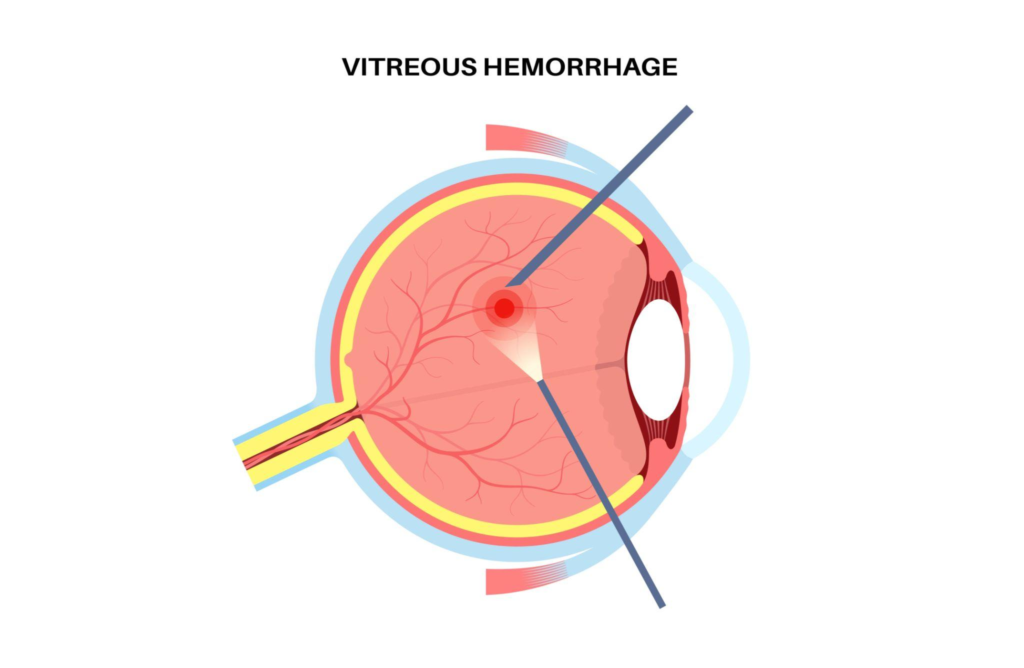
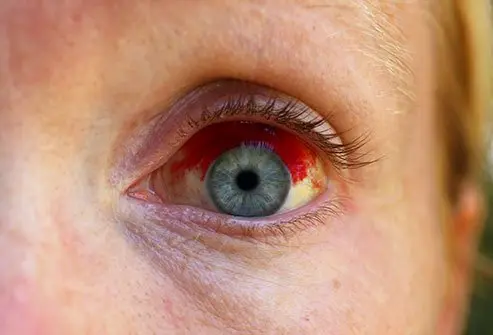
5. Vitreous Hemorrhage

What happens?
Bleeding occurs inside the eye. This is common in people with diabetes or after an eye injury.

Symptoms:

  • Sudden dark floaters
  • Cloudy or reddish vision
  • Sudden drop in vision

This condition needs urgent evaluation to find the cause and start treatment quickly.

6. Retinopathy of Prematurity (ROP)

This condition affects premature babies. Abnormal blood vessels grow in the retina.

Why early screening is important:
Premature babies must have timely eye examinations. Early treatment can prevent serious vision problems or blindness.

When Should You See a Retina Specialist?

Do not ignore these symptoms:

  • Sudden flashes of light
  • Sudden floaters
  • Wavy or distorted vision
  • Dark shadow in your vision
  • Sudden loss of vision

Even if the symptoms seem small, it is always safer to get your eyes checked.

The Most Important Message

Many retina diseases:

  • Do not cause pain
  • Do not show early symptoms
  • Can silently damage your eyesight

You should have regular eye check-ups if:

  • You have diabetes
  • You are above 50 years
  • You have high blood pressure
  • There is a family history of eye disease

Early diagnosis and timely treatment can protect your vision.

Your eyesight is precious. If you notice any change in your vision, consult an eye specialist without delay.


Book Consultation Dr. Diva Kant Misra

Choose your preferred center:

🏥
Swarnjyoti Eye Hospital Aliganj, Lucknow (Mon-Sat)
📍
Alambagh Center Lucknow (Tuesday Only)