Your eyes work for you every single day. From reading and driving to using your phone and recognizing loved ones, clear vision is a big part of daily life.
The good news is that many eye problems can be prevented. Simple lifestyle habits play a powerful role in protecting your eyesight for the long term.
Here are practical and easy steps you can follow to keep your eyes healthy.
Eat Fruits, Vegetables, And Fish
A healthy diet supports healthy eyes.
Include plenty of:
- Green leafy vegetables like spinach and fenugreek
- Colorful fruits like oranges, papaya, and berries
- Carrots and other vitamin A-rich food
- Fish like salmon, tuna, and sardines
These foods contain vitamins, antioxidants, and omega-3 fatty acids that protect the retina and reduce the risk of age-related vision problems.
A balanced diet nourishes your eyes from within.
Control Diabetes And Blood Pressure
High blood sugar and high blood pressure can damage the small blood vessels in the eyes.
Uncontrolled diabetes can lead to diabetic retinopathy, which may cause vision loss if not treated early.
Keeping your blood sugar and blood pressure under control helps:
- Protect the retina
- Prevent bleeding inside the eye
- Reduce the risk of blindness
Regular medical check-ups and proper medication are important for overall health and eye health.
Quit Smoking
Smoking is harmful not just to your lungs and heart, but also to your eyes.
It increases the risk of:
- Age-related macular degeneration
- Cataract
- Damage to the optic nerve
Quitting smoking improves blood circulation and reduces the risk of serious eye diseases.
If you smoke, stopping now can protect your vision in the future.
Limit Screen Time
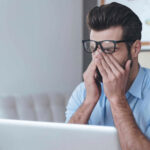
Spending long hours on phones, laptops, and televisions can strain your eyes.
Common symptoms include:
- Dryness
- Headache
- Blurred vision
- Eye fatigue
Follow the 20-20-20 rule:
Every 20 minutes, look at something 20 feet away for at least 20 seconds.
Also:
- Blink frequently
- Keep proper distance from screens
- Avoid using screens in very dim light
Giving your eyes regular breaks reduces strain.
Wear Sunglasses Outdoors
Sunlight contains harmful ultraviolet (UV) rays that can damage your eyes over time.
Wearing good-quality sunglasses helps:
- Protect the retina
- Reduce glare
- Prevent long-term damage
Choose sunglasses that block 100 percent UV rays. Wearing a wide-brimmed hat outdoors also provides extra protection.
Exercise Regularly
Regular physical activity improves blood circulation throughout the body, including the eyes.
Exercise helps:
- Control diabetes
- Maintain healthy blood pressure
- Reduce the risk of eye diseases
Even simple activities like walking, yoga, or light workouts can make a difference.
- Healthy body, healthy eyes.
- Get Routine Eye Check-Ups
Many serious eye problems develop slowly and without pain. Your eyes work for you every single day. From reading and driving to using your phone and recognizing loved ones, clear vision is a big part of daily life.
The good news is that many eye problems can be prevented. Simple lifestyle habits play a powerful role in protecting your eyesight for the long term.
Here are practical and easy steps you can follow to keep your eyes healthy.
Eat Fruits, Vegetables, And Fish
A healthy diet supports healthy eyes.
Include plenty of:
- Green leafy vegetables like spinach and fenugreek
- Colorful fruits like oranges, papaya, and berries
- Carrots and other vitamin A-rich food
- Fish like salmon, tuna, and sardines
These foods contain vitamins, antioxidants, and omega-3 fatty acids that protect the retina and reduce the risk of age-related vision problems.
A balanced diet nourishes your eyes from within.
Control Diabetes And Blood Pressure
High blood sugar and high blood pressure can damage the small blood vessels in the eyes.
Uncontrolled diabetes can lead to diabetic retinopathy, which may cause vision loss if not treated early.
Keeping your blood sugar and blood pressure under control helps:
- Protect the retina
- Prevent bleeding inside the eye
- Reduce the risk of blindness
Regular medical check-ups and proper medication are important for overall health and eye health.
Quit Smoking
Smoking is harmful not just to your lungs and heart, but also to your eyes.
It increases the risk of:
- Age-related macular degeneration
- Cataract
- Damage to the optic nerve
Quitting smoking improves blood circulation and reduces the risk of serious eye diseases.
If you smoke, stopping now can protect your vision in the future.
Limit Screen Time
Spending long hours on phones, laptops, and televisions can strain your eyes.
Common symptoms include:
- Dryness
- Headache
- Blurred vision
- Eye fatigue
Follow the 20-20-20 rule:
Every 20 minutes, look at something 20 feet away for at least 20 seconds.
Also:
- Blink frequently
- Keep proper distance from screens
- Avoid using screens in very dim light
Giving your eyes regular breaks reduces strain.
Wear Sunglasses Outdoors
Sunlight contains harmful ultraviolet (UV) rays that can damage your eyes over time.
Wearing good-quality sunglasses helps:
- Protect the retina
- Reduce glare
- Prevent long-term damage
Choose sunglasses that block 100 percent UV rays. Wearing a wide-brimmed hat outdoors also provides extra protection.
Exercise Regularly
Regular physical activity improves blood circulation throughout the body, including the eyes.
Exercise helps:
- Control diabetes
- Maintain healthy blood pressure
- Reduce the risk of eye diseases
Even simple activities like walking, yoga, or light workouts can make a difference.
Healthy body, healthy eyes.
Get Routine Eye Check-Ups
Many serious eye problems develop slowly and without pain.
Regular eye exams help detect:
- Glaucoma
- Diabetic retinopathy
- Macular degeneration
- Retinal disorders
Early detection means early treatment, which prevents permanent vision loss.
Adults should get routine eye check-ups as advised by their eye specialist. People with diabetes, high blood pressure, or a family history of eye disease may need more frequent visits.
- Glaucoma
- Diabetic retinopathy
- Macular degeneration
- Retinal disorders
Early detection means early treatment, which prevents permanent vision loss.
Adults should get routine eye check-ups as advised by their eye specialist. People with diabetes, high blood pressure, or a family history of eye disease may need more frequent visits.