Children’s eye health plays a major role in their learning, development, and overall quality of life. Healthy vision helps children read, write, play, and explore the world confidently.
What many parents do not realize is that some serious retinal problems can begin in infancy or early childhood. The good news is that early detection and timely treatment can prevent long-term vision loss.
Early care today protects your child’s vision for life.
Why Retinal Health Is Important In Children
The retina is the light-sensitive layer at the back of the eye. It sends visual signals to the brain, allowing us to see clearly.
If the retina does not develop properly or gets damaged early in life, it can affect a child’s vision permanently.
Some retinal conditions may not show obvious symptoms in the beginning. That is why regular screening and monitoring are essential.
Rop Screening For Premature Babies
One of the most important areas in children’s retinal care is ROP screening.
ROP stands for Retinopathy of Prematurity. It affects babies who are born prematurely or with low birth weight.
In premature babies, the retinal blood vessels may not develop fully. This can lead to abnormal vessel growth, which may cause:
- Retinal damage
- Scarring
- Retinal detachment
- Permanent vision loss
Timely ROP screening is critical.
All premature babies should undergo retina examination as advised by the pediatrician or eye specialist. Early detection allows treatment with laser or injections, which can prevent blindness in many cases.
Parents of premature babies must not miss scheduled eye check-ups.
Early Detection Of Retinal Disorders
Some children may develop retinal disorders due to:
- Genetic conditions
- Infections
- Trauma
- Systemic diseases
Symptoms in children may include:
- Poor eye contact
- White reflex in the eye
- Frequent eye rubbing
- Squinting
- Difficulty seeing in dim light
- Complaints of blurred vision
If you notice anything unusual about your child’s eyes or vision, consult an eye specialist immediately.
Early diagnosis makes treatment more effective and improves long-term outcomes.
Regular Eye Exams For Children
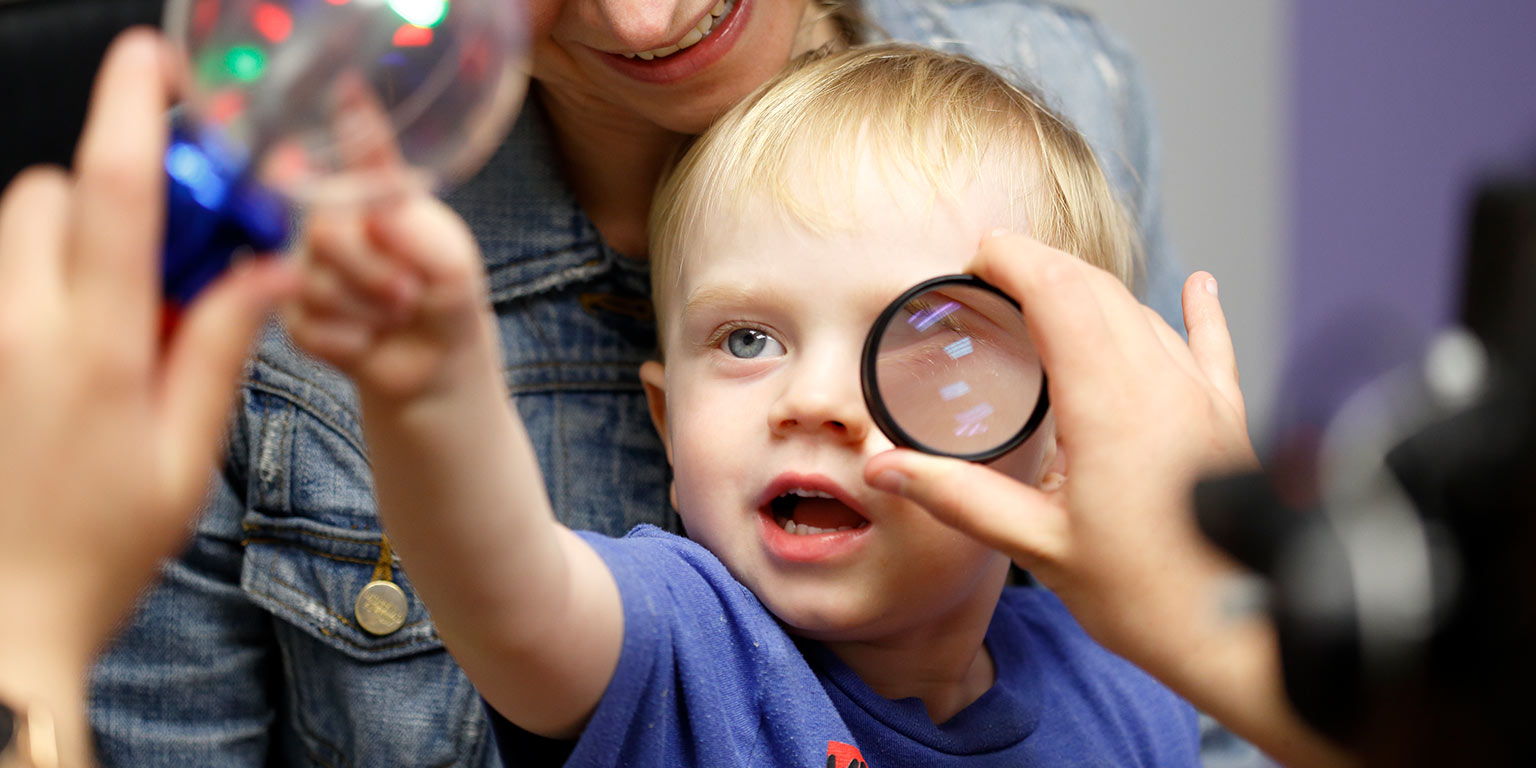
Many parents assume that eye check-ups are only needed if a child complains of vision problems. This is not true.
Children may not realize they have blurred vision because they think it is normal.
Regular eye exams help:
- Detect refractive errors
- Identify retinal abnormalities
- Monitor eye development
- Prevent learning difficulties related to poor vision
Routine eye check-ups are recommended:
- In infancy (especially for premature babies)
- Before starting school
- During school years as advised
Regular monitoring ensures healthy visual development.
Monitoring Vision Development
Vision develops rapidly in the first few years of life. Any delay or abnormality should be evaluated early.
Parents should watch for:
- Delayed visual response
- Difficulty tracking moving objects
- One eye is turning inward or outward
- Head tilting while looking at objects
Timely medical attention can prevent complications later in life.
Proper vision supports:
- Academic performance
- Social development
- Confidence
- Overall growth